How Can an HVAC Contractor Diagnose Comfort Problems That Only Happen at Certain Times of Day?
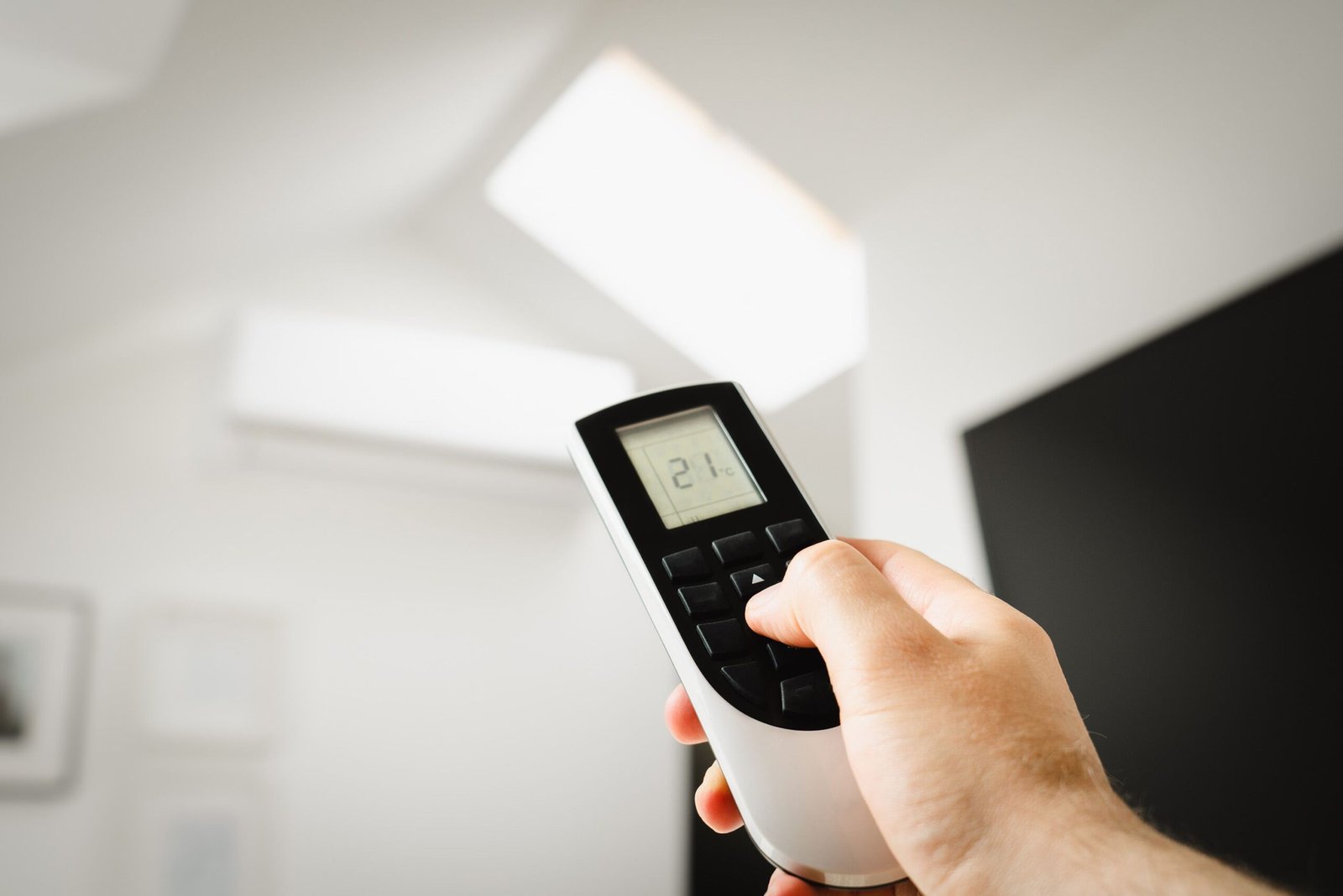
Comfort problems that appear on a schedule are often harder to solve than constant ones. A building may feel fine in the morning, uncomfortable by late afternoon, and normal again after sunset, which leads many owners to assume the equipment is unreliable or the thermostat is inaccurate. In reality, time-of-day issues usually point to changing conditions inside the building, not just a failing unit.
That distinction matters for property managers, facility teams, and building owners trying to avoid the cost of a wrong diagnosis. When discomfort only shows up during certain hours, an HVAC contractor has to evaluate more than equipment operation. Sun exposure, occupancy load, attic temperatures, airflow changes, duct conditions, and thermostat behavior may all shift during the day. A proper diagnosis depends on understanding how the building changes as the day progresses.
Why Timing Changes The Diagnosis
- The Pattern Usually Narrows The Cause
When discomfort follows a predictable daily pattern, that timing becomes one of the most useful clues in the entire service call. If a second floor overheats every afternoon, if one side of the building feels cold only at night, or if humidity rises during evening occupancy, the issue is rarely random. A contractor looking into concerns like cooling system repair in Florence with Price Heating & Air Conditioning would usually start by mapping when the complaint occurs, how long it lasts, and what building conditions change alongside it. That timeline often reveals whether the issue is related to heat gain, control strategy, airflow imbalance, or shifting internal load.
- Solar Heat Gain Changes Room Behavior
One of the most common causes of time-specific comfort complaints is solar heat gain. Rooms with large windows, west-facing walls, or limited shading can become significantly warmer in the afternoon, even when the rest of the structure feels stable. In those cases, the HVAC equipment may be running exactly as designed, while the building envelope creates a localized load spike. A contractor has to consider orientation, glass exposure, insulation levels, and how quickly certain areas absorb and retain heat. Without that step, the complaint may be blamed on the system when the real driver is how the building reacts to sunlight over the course of the day.
- Occupancy Load Can Shift Conditions
Comfort can also change as people, lighting, and equipment change throughout the day. A space that feels balanced in the morning may become stuffy by midday as computers, appliances, and occupants add heat to the interior. Conference rooms, upper-level offices, retail spaces, and shared living areas often show this pattern. An HVAC contractor diagnosing the issue needs to understand how occupancy affects demand, not just whether the unit turns on and off correctly. The problem may come from a system that is technically functional but poorly matched to how the space is actually used during peak periods.
- Airflow Problems Often Grow Later
Airflow-related issues may appear only during certain hours because pressure and temperature differences become more pronounced as outdoor conditions change. A duct run in a hot attic may lose cooling performance in the afternoon. A weak branch serving a distant room may fall behind once the system is under heavier demand. Dirty filters, undersized returns, closed interior doors, and imbalanced supply distribution can all become more noticeable during peak heating or cooling windows. That is why a contractor should measure static pressure, check temperature differences, inspect duct conditions, and compare airflow in the problem area rather than assuming every timed complaint points to the thermostat.
- Thermostat Placement Can Mislead
Thermostat behavior is another critical part of the diagnosis. If the thermostat is located in a hallway, near a return, or away from the area that actually gets uncomfortable, it may turn off too early. At the same time, another part of the building continues drifting out of range. Some properties also experience delayed responses because the thermostat senses conditions that do not reflect those of the hardest-loaded rooms. In time-of-day complaints, thermostat location matters because building conditions become uneven as heat gain and internal demand shift. A contractor has to decide whether the control point is reading the space accurately or masking the real problem.
- Attic And Envelope Conditions Matter
Many time-based comfort issues are tied to the building itself. In afternoon cooling complaints, attic heat buildup, inadequate insulation, air leakage, and radiant heat transfer can all push certain rooms beyond what the HVAC system can offset. At night, the reverse may happen in areas with poor insulation or draft exposure. A thorough contractor does not stop at the equipment cabinet. They inspect the surrounding conditions that influence how hard the system has to work at different hours. That broader view often explains why the complaint seems to appear on schedule even when the equipment appears mechanically sound.
- Data Matters More Than Assumptions
A strong diagnosis often requires more than a brief visit when the building happens to feel normal. Contractors may need to gather temperature readings, review runtime patterns, note weather conditions, and compare complaints against the time of day they occur. This is what separates guesswork from real troubleshooting. If the complaint only appears between two and six in the afternoon, the contractor has to evaluate the building with that window in mind. The timing is not a side detail. It is part of the evidence.
Daily Patterns Reveal Useful Clues
Comfort problems that appear only at certain times of day are usually tied to changing building conditions rather than a simple on-or-off equipment failure. Solar gain, occupancy load, thermostat placement, duct losses, attic heat, and airflow imbalance can all create symptoms that follow a daily rhythm. For building owners and managers, that means the right diagnosis depends on treating timing as a key part of the complaint. An HVAC contractor who studies when the problem occurs, not just where, is far more likely to identify the actual cause and recommend a solution that fits how the building performs under real-world conditions.
<iframe src=”https://www.google.com/maps/embed?pb=!1m18!1m12!1m3!1d3167.460155481829!2d-87.65432980000001!3d34.74427250000001!2m3!1f0!2f0!3f0!3m2!1i1024!2i768!4f13.1!3m3!1m2!1s0x887d4f6043edcae5%3A0xe413781e11655e24!2sPrice%20Heating%20%26%20Air%20Conditioning!5e1!3m2!1sen!2sph!4v1775701633420!5m2!1sen!2sph” width=”600″ height=”450″ style=”border:0;” allowfullscreen=”” loading=”lazy” referrerpolicy=”no-referrer-when-downgrade”></iframe>












Post Comment