
The story of basqueserpartists is deeply connected to culture, identity, language, and political struggle in northern Spain and southwestern France. For decades, the Basque independence movement has remained one of Europe’s most discussed nationalist causes, drawing attention from historians, political analysts, and ordinary citizens alike. While many movements across Europe faded with time, the Basque issue evolved through peaceful activism, political negotiations, and periods of violent conflict. Understanding this topic requires more than simply looking at politics. It also involves exploring the traditions, social identity, and historical experiences of the Basque people who have preserved their unique heritage for centuries despite outside influence and state pressure.
The Basque region, known locally as Euskal Herria, stretches across parts of Spain and France near the Pyrenees Mountains. The people of this region possess one of Europe’s oldest cultures and speak Euskara, a language unrelated to Spanish or French. This strong cultural distinction shaped the rise of nationalist ideas during the nineteenth and twentieth centuries. Many Basques believed their traditions, political rights, and economic independence were threatened by centralized governments. As industrialization transformed northern Spain, political thinkers began promoting greater autonomy and self-rule. These early nationalist beliefs eventually laid the groundwork for the movement commonly associated with modern Basque separatism and the organizations that later emerged in support of independence.
Origins of the Basque Nationalist Movement
The roots of the Basque nationalist movement can be traced to the late nineteenth century when industrial and political changes altered life in northern Spain. During this period, the Basque provinces lost many traditional rights known as fueros, which had allowed local self-government for generations. The removal of these privileges created resentment among many residents who felt their autonomy was being erased. At the same time, increased migration from other parts of Spain brought cultural shifts that worried traditional Basque communities. Political activist Sabino Arana became one of the movement’s most influential figures by promoting Basque nationalism, identity, and cultural preservation. His writings inspired future generations who believed the Basque people deserved political recognition and self-determination.
During the early twentieth century, Basque nationalism continued developing through political parties, social organizations, and cultural associations. Many supporters focused on protecting the Basque language and regional traditions rather than demanding full independence immediately. However, political tensions inside Spain intensified after the Spanish Civil War began in 1936. The Basque region largely supported the Republican side against the forces of General Francisco Franco. After Franco’s victory in 1939, the dictatorship imposed strict controls on regional identities throughout Spain. The Basque language was restricted, cultural activities were monitored, and nationalist movements were suppressed. These policies created anger and frustration that eventually fueled more radical forms of resistance among younger generations.
Franco’s Dictatorship and Growing Resistance
Under Franco’s authoritarian rule, expressions of Basque identity faced severe limitations for decades. Public use of the Basque language declined because schools, media, and official institutions favored Spanish. Cultural symbols associated with Basque nationalism were often banned, and political opposition was heavily punished. Many Basques viewed these restrictions as attacks on their heritage and collective identity. While some groups continued peaceful advocacy, others believed stronger action was necessary to defend their people and culture. Universities and underground political circles became important spaces where anti-Franco sentiment spread. Younger activists increasingly argued that peaceful efforts alone would not achieve autonomy or independence, especially while the dictatorship remained firmly in power across Spain.
This atmosphere eventually contributed to the creation of ETA, officially known as Euskadi Ta Askatasuna, meaning “Basque Homeland and Freedom.” Founded in 1959, ETA initially focused on cultural and political activism before transforming into an armed separatist organization. Members argued that violence was justified against Franco’s regime and later against the Spanish state itself. Throughout the following decades, ETA carried out bombings, assassinations, kidnappings, and attacks targeting government officials, police officers, military personnel, and civilians. These actions made the organization internationally controversial and deeply divided public opinion within the Basque community. While some sympathized with the political goals behind the movement, many strongly condemned the violence and feared its social consequences.
ETA and the Era of Political Violence
The rise of ETA marked the most controversial chapter in the history of basqueserpartists. During the 1960s and 1970s, the organization gained attention through high-profile attacks against Francoist officials and Spanish security forces. One of its most famous operations occurred in 1973, when ETA assassinated Spanish Prime Minister Luis Carrero Blanco in Madrid. The attack demonstrated the group’s growing capabilities and intensified tensions across Spain. Following Franco’s death in 1975, Spain transitioned toward democracy, creating new opportunities for regional autonomy. However, ETA continued its violent campaign despite political reforms, arguing that true Basque independence had not yet been achieved. This decision significantly shaped public attitudes toward the movement during the democratic era.
Spain’s democratic constitution of 1978 granted substantial autonomy to the Basque Country, including control over taxation, policing, education, and cultural affairs. Many observers believed these reforms addressed several historic grievances. Nevertheless, ETA and its supporters considered autonomy insufficient because they sought complete independence rather than limited self-government. During the 1980s and 1990s, violence escalated as bombings and assassinations continued across Spain. Civilians increasingly became victims, leading to widespread public outrage. Political parties connected to Basque nationalism faced growing pressure to distance themselves from armed militancy. At the same time, security crackdowns intensified, with Spanish and French authorities cooperating closely to arrest ETA members and dismantle support networks operating across borders.
The years of violence left lasting emotional and political scars throughout Spain and the Basque region. Families lost loved ones, communities became divided, and fear affected daily life in many areas. Critics accused ETA of damaging the international image of Basque nationalism by associating independence with terrorism. Meanwhile, some Basque activists argued that state repression and police abuses also contributed to the cycle of conflict. The debate surrounding responsibility, justice, and reconciliation remains sensitive even today. Historians continue studying how political frustration, dictatorship, nationalism, and social inequality combined to create conditions that allowed violent separatism to emerge and survive for so many years despite changing political realities.
Cultural Identity and the Basque Language
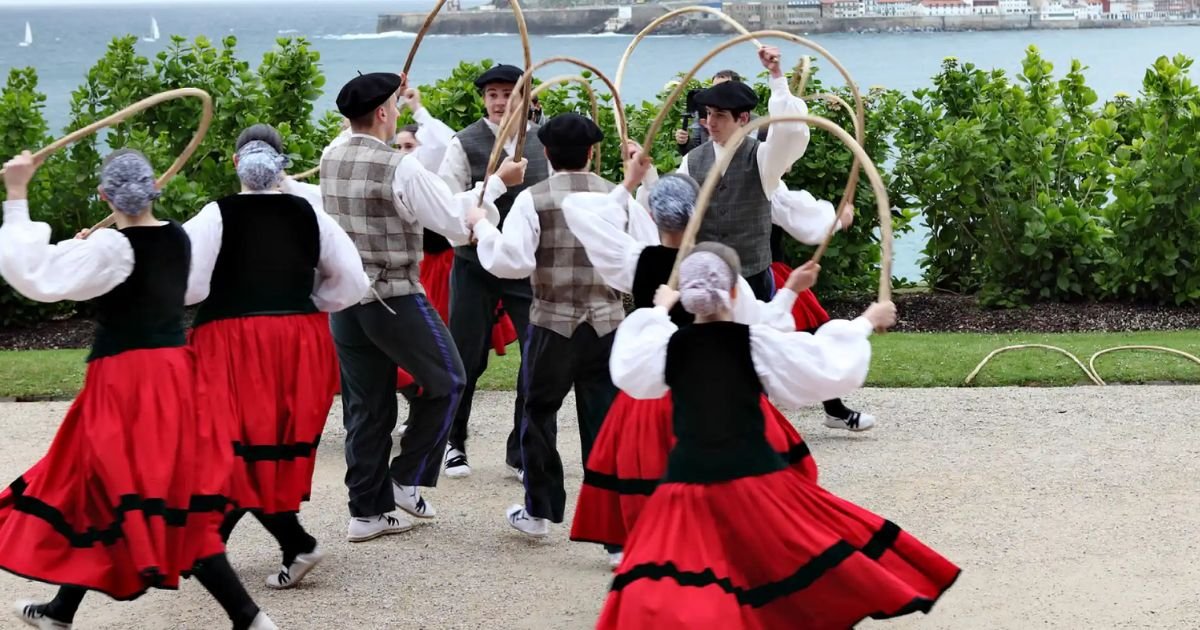
Although political conflict often dominates discussions, culture has always remained central to the Basque movement. The Basque language, Euskara, is considered one of Europe’s oldest living languages and serves as a powerful symbol of identity. Unlike neighboring Romance languages, Euskara has no clear linguistic relatives, making it unique within Europe. During periods of repression, preserving the language became a form of resistance for many Basque families and educators. Schools known as ikastolas played an important role in teaching Euskara to younger generations. Cultural festivals, traditional sports, music, and cuisine also strengthened community ties. Even people who rejected separatist politics often supported efforts to preserve Basque traditions and regional heritage.
The revival of Basque culture accelerated after Spain returned to democracy. Regional institutions invested heavily in language education, media broadcasting, and cultural programs designed to protect local identity. Today, Euskara appears in schools, television, government offices, and public signage across much of the Basque Country. This cultural success demonstrates that political autonomy can significantly influence identity preservation. Many modern Basque activists focus more on promoting language and heritage than supporting radical separatism. Younger generations often express pride in their culture while favoring democratic dialogue instead of confrontation. As a result, the Basque movement has gradually shifted from armed resistance toward political participation, civic engagement, and cultural development.
Political Parties and Democratic Change
The political landscape of the Basque region is diverse and includes parties with different views regarding autonomy and independence. The Basque Nationalist Party, commonly known as PNV, has historically supported moderate nationalism and greater regional self-government through democratic institutions. This party became highly influential after Spain’s transition to democracy and often governed the autonomous Basque administration. Other groups promoted stronger separatist positions and occasionally maintained indirect links to radical activism. Over time, however, public support increasingly favored peaceful political solutions rather than armed conflict. Elections demonstrated that many Basque citizens wanted stability, economic growth, and cultural protection without returning to violence or social division.
International events also influenced changing attitudes toward separatism. During the late twentieth and early twenty-first centuries, many nationalist movements worldwide shifted toward negotiation and democratic participation. Political leaders in the Basque region recognized that violence harmed both social trust and economic progress. Civil society organizations, religious figures, and community activists began encouraging dialogue between opposing groups. Public demonstrations against terrorism became increasingly common after deadly attacks targeting civilians. This growing rejection of violence weakened ETA’s support base and isolated the organization politically. By the early 2000s, pressure from law enforcement and declining public sympathy significantly reduced the group’s operational strength and influence within Basque society.
The End of ETA and a New Political Era
A major turning point arrived when ETA announced a permanent ceasefire in 2011 after years of declining influence and international mediation efforts. The declaration was welcomed by governments, community leaders, and many Basque citizens who hoped decades of violence had finally ended. In 2018, ETA formally dissolved itself, bringing closure to one of Europe’s longest-running separatist conflicts. Although political debates about independence continue, the disappearance of armed militancy transformed the conversation surrounding Basque nationalism. Discussions increasingly focus on democratic representation, economic policy, cultural rights, and regional cooperation rather than security concerns. This shift allowed many communities to begin healing from the trauma created by years of political violence.
The end of ETA did not erase historical tensions completely. Victims’ groups continue seeking justice and recognition, while former activists debate the legacy of armed resistance. Some believe violence delayed progress toward political goals, whereas others argue it drew international attention to Basque grievances during periods of repression. Educational institutions and public organizations now face the challenge of teaching younger generations about this complicated history responsibly. Museums, documentaries, and academic research attempt to explain the conflict without glorifying violence or ignoring suffering. This process of collective memory remains essential for reconciliation and for preventing future generations from repeating the mistakes of the past.
Modern Views on Basque Independence
Today, support for full Basque independence varies across different regions and generations. Many residents prioritize economic stability, European cooperation, and cultural preservation over complete separation from Spain. Others still believe an independent Basque state would better protect regional identity and political interests. Public opinion often changes depending on economic conditions, national politics, and debates surrounding regional authority. Unlike earlier decades, however, modern independence activism mainly operates through democratic institutions, peaceful protests, and public campaigns. Political discussions now emphasize voting rights, constitutional reforms, and regional autonomy rather than armed struggle. This transformation reflects broader European trends where nationalist movements increasingly pursue legal and political pathways instead of violent confrontation.
The Basque Country itself remains one of Spain’s most economically successful regions, known for advanced industry, innovation, and high living standards. Cities such as Bilbao and San Sebastián have undergone major cultural and urban development in recent decades. The famous Guggenheim Museum Bilbao symbolizes the region’s transformation from conflict toward tourism, creativity, and international engagement. Economic prosperity has influenced political attitudes because many residents value stability and institutional cooperation. Nevertheless, cultural identity remains deeply important, and debates surrounding self-determination continue to shape regional politics. The modern Basque movement therefore combines historical memory with contemporary concerns about governance, identity, and democratic participation within Europe.
International Influence and Global Comparisons
The experience of basqueserpartists is frequently compared with other nationalist and separatist movements around the world. Scholars often examine similarities between the Basque case and movements in Catalonia, Northern Ireland, Scotland, and Quebec. Each movement developed under different historical conditions, yet all involve questions about identity, language, self-government, and political representation. The Basque conflict especially attracted international attention because it combined democratic politics with armed militancy over several decades. Governments worldwide studied Spain’s response to terrorism, regional autonomy, and peace negotiations. As a result, the Basque experience became an important example in discussions about conflict resolution and the challenges of balancing national unity with regional diversity.
Media portrayals also influenced global perceptions of the Basque movement. Films, documentaries, novels, and journalism often focused heavily on ETA and political violence, sometimes overshadowing the broader cultural richness of Basque society. In reality, Basque history includes remarkable achievements in literature, gastronomy, architecture, and sports alongside political activism. Modern cultural initiatives increasingly aim to present a more balanced image of the region by highlighting its traditions, innovation, and artistic contributions. Younger generations of Basques often emphasize creativity, sustainability, and multicultural engagement rather than conflict. This evolving identity demonstrates how societies can gradually redefine themselves after periods of violence and political polarization.
Legacy of the Basque Movement
The legacy of the Basque independence movement remains complex and emotionally significant. For some people, it represents resistance against dictatorship and efforts to preserve a unique culture under political pressure. For others, the memory of terrorism and violence overshadows nationalist goals entirely. Both perspectives continue shaping public debates in Spain and beyond. What is clear, however, is that the Basque experience profoundly influenced modern Spanish democracy, regional autonomy, and discussions about identity politics in Europe. The transition from armed conflict to peaceful political participation offers important lessons about reconciliation, dialogue, and democratic change. It also highlights the risks that arise when cultural grievances remain unresolved for long periods.
In many ways, the story of the Basque people reflects broader human struggles involving belonging, language, history, and political power. Communities across the world often seek ways to preserve their traditions while adapting to modern states and global systems. The Basque case demonstrates that identity can survive even under strong political pressure, especially when supported by language, education, and cultural institutions. At the same time, it reminds societies that violence can create deep wounds that take generations to heal. Understanding this history requires empathy for victims, awareness of political realities, and respect for cultural diversity within democratic frameworks.
Conclusion
The history of basqueserpartists is far more than a story about separatism or political conflict. It is a complex journey shaped by cultural survival, regional pride, dictatorship, resistance, democracy, and social transformation. From the early nationalist ideas of the nineteenth century to the rise and eventual dissolution of ETA, the Basque movement evolved through dramatic political changes that affected millions of lives. Today, the Basque Country stands as a region known not only for its difficult past but also for its cultural richness, economic success, and democratic institutions. By studying this history carefully, readers can better understand how identity and politics interact in modern societies and why peaceful dialogue remains essential in resolving regional conflicts.
Frequently Asked Questions
What does basqueserpartists mean?
The term generally refers to people or groups connected with the Basque separatist or independence movement, particularly in Spain’s Basque region.
What is the Basque Country?
The Basque Country is a cultural and historical region located in northern Spain and southwestern France, known for its unique language and traditions.
What was ETA?
ETA was an armed Basque separatist organization founded in 1959 that used violence and terrorism in pursuit of Basque independence.
Is ETA still active today?
No. ETA officially announced its dissolution in 2018 after declaring a permanent ceasefire several years earlier.
Why is the Basque language important?
The Basque language, known as Euskara, is a central symbol of Basque identity and one of Europe’s oldest surviving languages.
Do all Basque people support independence?
No. Opinions differ widely. Some support full independence, while others prefer regional autonomy within Spain.
What is the Basque Country known for today?
Today, the Basque region is recognized for its strong economy, rich culture, world-famous cuisine, tourism, and preserved linguistic heritage.