
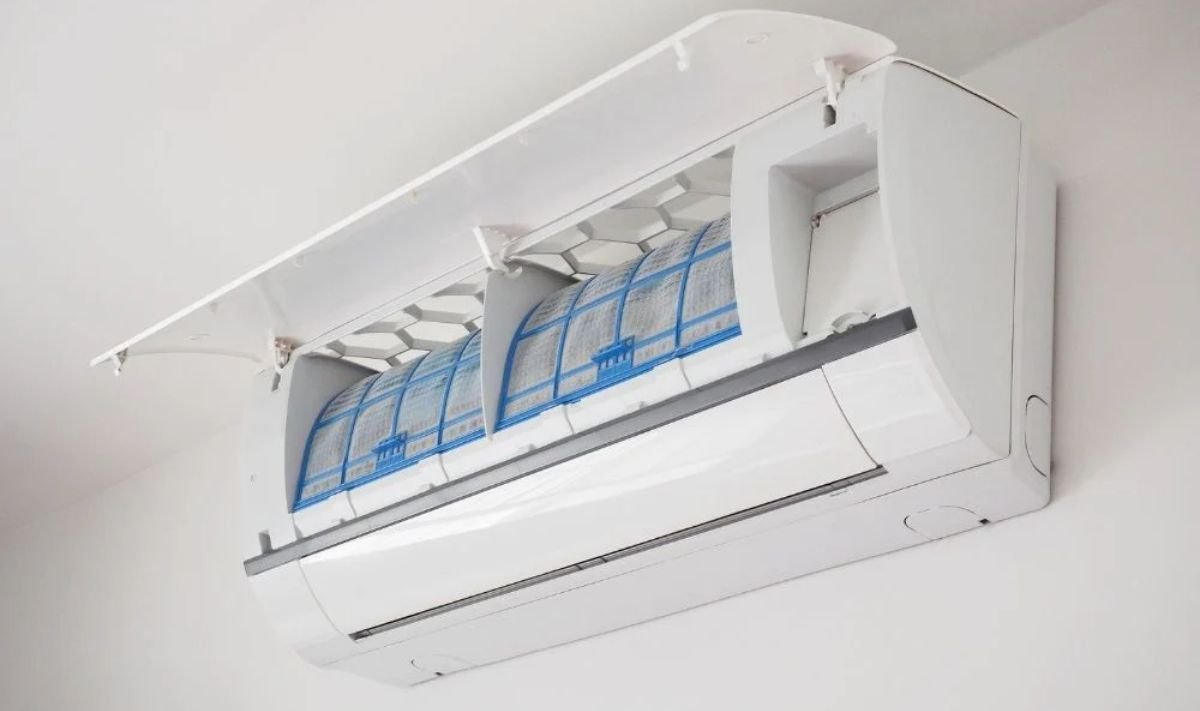
Airflow plays a central role in how effectively an air conditioning system performs, yet it is often one of the most overlooked aspects of cooling performance. When airflow is restricted or uneven, the entire system has to work harder to reach the desired temperature, which can lead to discomfort, increased energy use, and long-term wear on components. Many homeowners only notice the problem when cooling becomes inconsistent or when electricity bills begin to rise. Understanding how airflow issues develop and why they should be addressed early is essential for maintaining both comfort and system efficiency. We will explore how airflow problems affect performance, energy consumption, air quality, and overall system longevity, and why timely corrective action can prevent more serious complications.
Airflow Restriction and Its Impact on Cooling Efficiency
Airflow restriction is one of the most common issues affecting air conditioning systems, and it can originate from several sources, such as clogged air filters, blocked ducts, dirty coils, or poorly designed ventilation pathways. When air cannot circulate freely through the system, the cooling process becomes uneven and inefficient. Some rooms may feel significantly warmer than others, while the system continues running in an attempt to reach the set temperature. This imbalance not only reduces comfort but also places unnecessary stress on internal components like the blower motor and compressor. In many cases, professional services such as The Colony, TX, Air Conditioner Repair are required to properly diagnose and resolve these underlying airflow problems, especially when they are linked to hidden duct issues or internal system blockages that are not easily visible during basic inspection.
Over time, this constant strain can lead to reduced cooling capacity and more frequent breakdowns. In practical terms, restricted airflow means the system is working harder but delivering less effective results. Addressing these issues early helps restore balanced air distribution, allowing each room to receive consistent cooling. Regular inspection of vents, filters, and ductwork ensures that airflow remains unobstructed and the system continues to operate at a stable, efficient level without unnecessary interruptions or performance drops.
Energy Consumption and System Strain from Poor Airflow
Poor airflow directly increases energy consumption because the air conditioning system must compensate for inefficiencies by running longer cycles. When cooled air does not circulate properly, the thermostat takes longer to reach the desired temperature, causing the system to stay active for extended periods. This leads to higher electricity usage and increased utility costs over time. In addition to energy waste, poor airflow creates mechanical strain on critical components such as the compressor and fan motor. These parts are designed to operate within specific load conditions, and when airflow is restricted, they are forced to work beyond their intended capacity.
This accelerates wear and reduces the overall lifespan of the system. In many cases, users may not realize the connection between airflow issues and rising energy bills until the problem becomes more severe. By ensuring that ducts are clean, filters are replaced regularly, and airflow pathways are clear, the system can maintain optimal efficiency. Proper airflow management not only reduces operational costs but also helps preserve the mechanical integrity of the entire cooling system.
Read More: How Can an HVAC Contractor Diagnose Comfort Problems That Only Happen at Certain Times of Day?
Indoor Air Quality and Health Considerations
Airflow issues in air conditioning systems can significantly affect indoor air quality, which directly impacts occupants’ comfort and health. When air circulation is limited, dust, allergens, and other airborne particles tend to accumulate in indoor spaces rather than being properly filtered and distributed. This can lead to stale air, unpleasant odors, and increased exposure to irritants, which may affect breathing comfort. In environments with weak airflow, humidity levels may also become uneven, creating conditions that promote mold or bacterial growth in hidden areas such as ducts or evaporator coils.
These factors can gradually degrade the quality of the indoor environment without being immediately noticeable. Proper airflow ensures that air is continuously cycled through filters and ventilation points, reducing the buildup of contaminants. It also helps maintain balanced humidity levels, which is important for both comfort and structural preservation of indoor spaces. Addressing airflow problems early contributes to a healthier indoor atmosphere by ensuring that air is consistently refreshed, filtered, and evenly distributed throughout the space rather than stagnating in specific areas.
Preventive Maintenance and Long-Term System Stability
Preventive maintenance is one of the most effective ways to ensure long-term stability in air-conditioning systems, particularly for airflow management. Many airflow issues develop gradually, making them easy to overlook until they begin affecting performance. Regular maintenance activities, such as cleaning or replacing air filters, inspecting ductwork for blockages, and ensuring vents remain open and unobstructed, can significantly reduce the likelihood of airflow-related problems. Additionally, periodic system checks allow early detection of issues such as dust buildup on coils or mechanical wear in blower components, both of which can restrict airflow.
Maintaining consistent airflow not only improves immediate cooling performance but also extends the system’s operational life by reducing unnecessary strain. Systems that receive routine attention are less likely to experience sudden failures and tend to operate more reliably during peak usage periods. Preventive care also ensures that the system continues to distribute air evenly, avoiding hot or cold spots within indoor spaces. Over time, this consistent maintenance approach results in greater performance stability, lower repair frequency, and a more predictable, efficient cooling experience.
Addressing airflow concerns through regular maintenance and timely corrective action ensures that the system operates smoothly and efficiently. By keeping air pathways clear and components clean, homeowners can maintain consistent cooling, reduce operational costs, and support a healthier indoor environment. Proper airflow management is not just a technical requirement but also a practical necessity to ensure that air conditioning systems deliver reliable, sustainable comfort over the long term.