
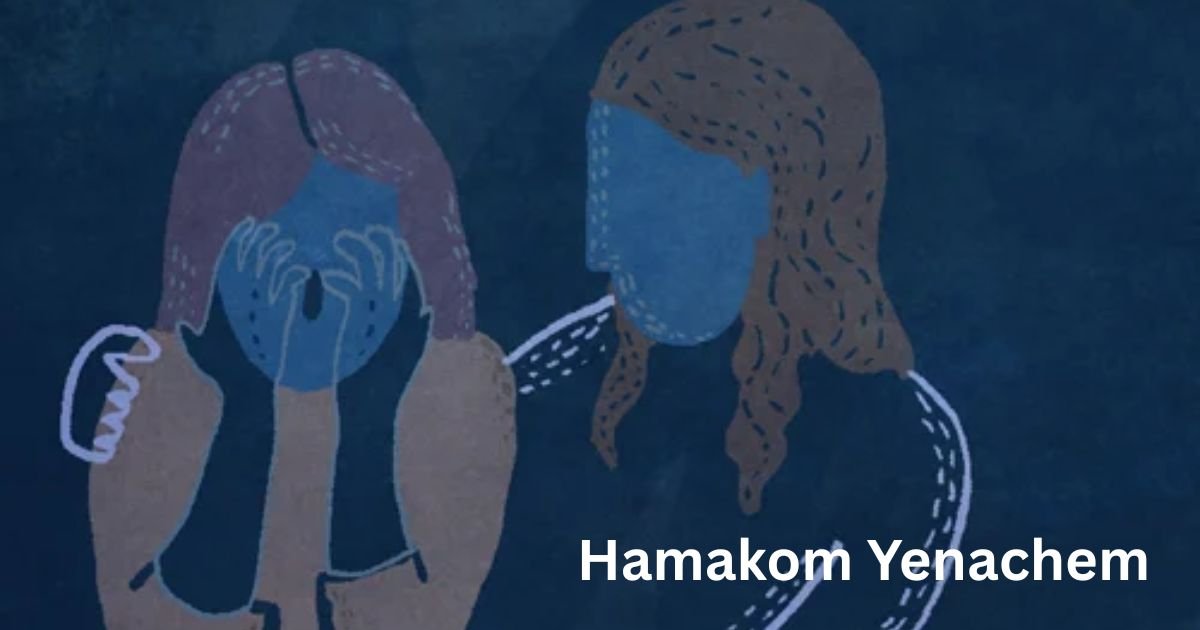
Grief often makes even kind people feel unsure of what to say. In moments of loss, ordinary condolences can sound too casual, too explanatory, or too focused on easing pain that cannot be quickly eased. Within Jewish mourning practice, the phrase “Hamakom Yenachem” carries a different kind of comfort. It is brief, familiar, and deeply rooted in tradition, yet it also leaves room for silence and sorrow. Rather than trying to solve grief with explanation, it honors the mourner’s pain while offering a blessing shaped by faith, community, and presence. That is why the phrase continues to hold such lasting meaning.
Words That Hold Comfort
- The Meaning Behind the Phrase
“Hamakom Yenachem” is usually spoken as part of a longer traditional sentence: “Hamakom yenachem etchem b’toch sha’ar aveilei Tzion v’Yerushalayim.” In English, this is often rendered as, “May the Omnipresent comfort you among the mourners of Zion and Jerusalem.” The word “Hamakom” literally means “the Place” and, in Jewish tradition, is one of the names used for God. That wording carries an important idea. It suggests that divine presence is not distant from suffering, but present even in places marked by heartbreak, memory, and mourning. The word “Yenachem” comes from the Hebrew root meaning “comfort” or “consolation.” Together, the phrase does not promise that pain will disappear. Instead, it expresses the hope that true comfort can come from a source deeper than social habit or polite sympathy. This is one reason the phrase feels weightier than a casual expression of condolence. It is not built around trying to explain loss or reduce grief to a lesson. It speaks with humility, acknowledging that mourning is real and that comfort must be offered carefully. For many people, the phrase matters because it carries both tenderness and restraint.
- Why It Is Said During Shiva
The phrase is most often said to a mourner during shiva, the traditional period of mourning observed after burial. Shiva is not simply a time for receiving visitors. It is a structured space in which grief is recognized openly, and the mourner is not expected to return immediately to ordinary routines or social energy. During that time, visitors come to offer presence, not performance. They sit with the mourner, listen if the mourner wishes to speak, and avoid turning the visit into a conversation about themselves. “Hamakom Yenachem” fits naturally into this setting because it offers comfort without pressuring the bereaved to respond, explain, or appear composed. Many people understand hamakom yenachem as a phrase that lends compassionate form to moments when language often feels limited. It allows a visitor to say something meaningful while still respecting silence. That matters because grief can make long explanations feel exhausting or intrusive. A mourner may not want advice, comparisons, or attempts to soften the reality of the loss. This phrase avoids those problems. It gives voice to care in a way that supports the customs of Shiva, where quiet presence and shared sorrow often matter more than extended speech.
- How It Connects Mourning to Community
Another reason the phrase is said during mourning is that it situates private grief within a broader communal and spiritual context. The fuller wording does not only ask for comfort. It says, in effect, that this comfort comes “among the mourners of Zion and Jerusalem.” That connection is meaningful because Jewish mourning tradition does not treat sorrow as a completely isolated experience. Every loss is personal, but it is also held within a people’s shared memory, history, and religious life. The mourner is not being told that individual pain is small. Rather, the phrase suggests that the person grieving belongs to a larger community that has also known grief, remembrance, longing, and endurance. This can bring a quiet sense of solidarity in moments when loss feels deeply lonely. The mourner may feel cut off from ordinary life, but the phrase reminds them that mourning has a place within the life of the community. It also reflects the idea that comfort is not only emotional. It can come through ritual, language, shared history, and the presence of others who understand the seriousness of loss. That larger frame gives the phrase a depth that goes beyond simple condolence.
Why the Phrase Endures
“Hamakom Yenachem” continues to be said during mourning because it expresses compassion with humility and care. It gives mourners something many ordinary condolences do not: language that recognizes pain without trying to overpower it. By invoking divine comfort and linking personal grief to the wider community of mourners, the phrase offers both tenderness and a sense of belonging. Its meaning rests not only in translation, but in the way it is spoken during moments of sorrow, silence, and remembrance. That is why it remains so enduring in Jewish mourning practice. It honors grief honestly while still making room for comfort to enter gently, without force or easy answers.