

In a world where people can send a message in seconds, many feelings still remain unspoken. Some words are typed, felt deeply, and then never delivered. That is what makes The Unsent Project so powerful. It gives space to emotions that often stay hidden, including love, heartbreak, regret, hope, and healing. Instead of letting those private thoughts disappear, the platform turns them into part of a shared emotional archive. People from different places and backgrounds visit it not only to write but also to understand what others have carried silently. This emotional honesty is what gives the project its lasting impact.
What Is The Unsent Project?
The Unsent Project is an online archive where people anonymously submit messages they never sent to someone important in their lives. These messages may be written for a former partner, a close friend, a family member, or even for the writer’s past self. Each message reflects a feeling that remained inside for too long or that never found the right moment to be spoken aloud.
What makes the platform stand out is its emotional simplicity. There are no long profiles, no public identity, and no pressure to explain everything. The message itself becomes the center of attention. This creates a space that feels both deeply personal and widely relatable. A stranger’s words can suddenly feel familiar because they echo pain, love, or longing that many people have experienced in their own lives.
Why The Unsent Project Feels So Different
Many websites allow people to post anonymous thoughts, but The Unsent Project feels different because it is centered on emotional truth rather than fast interaction. It is not built like a social feed where users chase likes or instant responses. Instead, it feels more like a quiet archive of human emotion. Each entry stands on its own and asks the reader to pause, reflect, and feel.
This difference matters. On most online platforms, people perform for attention. Here, people reveal what they could not say in real life. That creates a rare kind of honesty. The result is a collection of messages that feels raw, intimate, and human. Readers do not just scroll through content. They connect with the emotional weight behind every word.

The Story Behind The Unsent Project
The project was started by artist Rora Blue, who wanted to explore the link between emotion, memory, and color. What began as an artistic concept soon became something much larger. Over time, it grew into a huge digital archive filled with anonymous submissions from around the world.
Its growth shows that people are looking for places where emotions can exist without judgment. The project became popular not because it was loud or trendy, but because it touched something universal. Nearly everyone has had a moment when they wished they had said more, said less, or said something at the right time. The Unsent Project gives shape to those moments.
How The Unsent Project Works
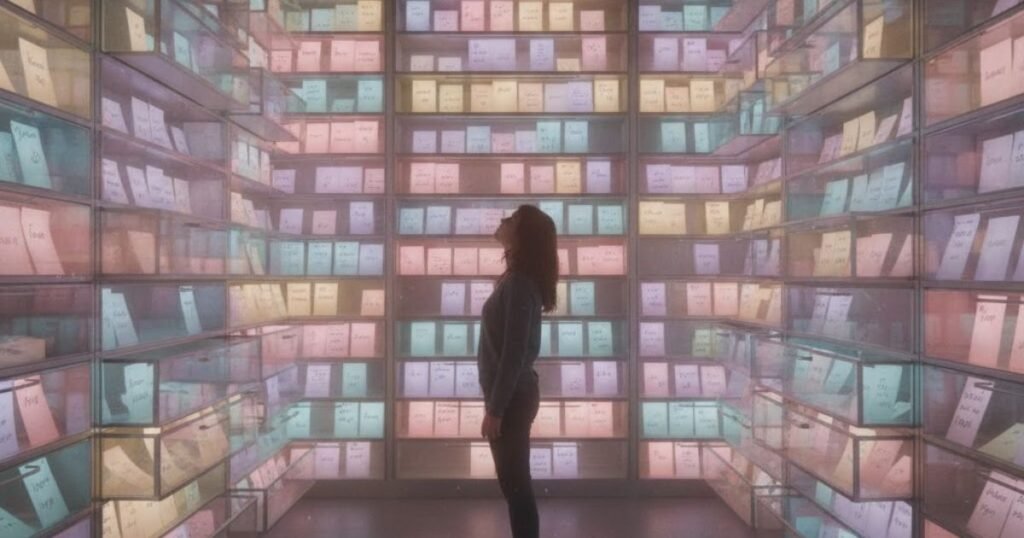
The process is simple, which is part of its emotional strength. A person writes a message they never sent and submits it anonymously. They also choose a color that matches the feeling connected to that message. That color becomes part of the emotional identity of the post. A message filled with love may appear in red, while sadness may be linked with blue, and healing may be shown through green.
After submission, the message may become part of the public archive. Visitors can then search through the collection using names, words, or emotional color filters. This makes the experience more personal for readers. Some people search for feelings. Others search for names they still carry in their hearts. That combination of anonymity and emotional access is what makes the archive so memorable.
The Role of Color in Emotional Expression
One of the most distinctive parts of The Unsent Project is the use of color. Color adds an emotional layer that words alone may not fully express. A message can be short, but the color behind it can change how it is understood. This artistic choice turns every submission into more than text. It becomes a visual emotion.
Color also helps readers move through the archive in a more meaningful way. Instead of reading randomly, they can explore different emotional moods. This makes the project feel almost like an emotional map. It shows that feelings are not only written. They are also sensed, remembered, and visually connected to human experience.
Why People Submit Messages They Never Sent
There are many reasons why someone might never send a message. Fear is one reason. So is timing. Sometimes the relationship ends before the words are spoken. Sometimes people do not know how to explain what they feel. At other times, they know the message would change nothing, yet they still need to say it somewhere.
That is why anonymous writing can feel powerful. It gives people a release without requiring confrontation. A person can finally express what they carried for months or even years. In many cases, the act of writing becomes more important than getting a reply. The message may never reach the original person, but it still helps the writer move forward.
Common Themes Found in The Unsent Project
The messages in The Unsent Project often reflect the same emotional patterns seen across different lives. Love appears often, especially the kind that was never fully returned or never fully expressed. Loss is another major theme, whether it comes from breakup, distance, or death. Regret also appears again and again. Many people write what they wish they had said when they still had the chance.
But the archive is not only sad. It also contains gratitude, relief, forgiveness, and growth. Some messages show that healing is possible. Others reveal that pain can live beside love for a long time. Together, these themes create a portrait of shared human emotion. Even when the details are different, the feelings often feel the same.
The Emotional Appeal for Readers
People do not only visit The Unsent Project to submit messages. Many come simply to read. That reading experience can be powerful because it reminds people that they are not alone. A message written by a stranger can reflect a feeling the reader has never been able to explain.
This kind of connection matters in digital life. Most online spaces are noisy and fast. This archive invites slowness and emotional reflection. It can feel comforting, but it can also feel intense. Some messages may reopen old memories. Others may offer closure. That emotional range is part of what keeps people returning to the platform.
How The Unsent Project Compares to Similar Platforms
There are other platforms that also deal with anonymous emotion, but The Unsent Project has a different identity. PostSecret, for example, is built around mailed postcards that reveal hidden truths. It has a strong visual and physical feel. Whisper allows anonymous confessions too, but it works more like a social media feed with fast sharing and interaction.
Private journaling apps are different again because they keep thoughts locked away for the writer alone. The Unsent Project sits in a unique middle space. It is personal but public, private in identity but shared in emotion. That balance helps it stand out from both confession apps and personal journals.
Cultural and Psychological Meaning
The popularity of The Unsent Project says something important about modern emotional life. People want spaces where they can be honest without needing to perform. They want expression without exposure. This project offers that rare balance. It lets people speak without being watched too closely.
From a psychological point of view, writing can help organize feelings and reduce emotional pressure. Even if a message is never sent, writing it can still bring clarity. For some, the project becomes part of healing. For others, it becomes a way to witness how common human pain really is. Either way, it gives emotional experiences a place to exist outside the mind.
Is The Unsent Project Safe to Use?
The platform can be meaningful, but users should still be thoughtful when they participate. It is wise not to include private personal details that could identify real people. Emotional honesty is valuable, but privacy still matters. Anonymous writing works best when it protects both the writer and the person being written about.
Readers should also be aware of their own emotional state. Some messages are deeply moving and may bring up sadness or painful memories. The archive can be comforting, but it is not a substitute for mental health support. It is best seen as a place for expression and reflection, not a replacement for professional care.
Why The Unsent Project Continues to Matter
The reason The Unsent Project continues to grow is simple. Human feelings do not disappear just because they remain unspoken. In fact, unsaid words often stay with people longer than spoken ones. This project gives those words a home. It turns private silence into shared understanding.
Its value also comes from timing. In a digital age filled with fast communication, there is something powerful about a space built around what was never sent. It reminds people that silence has meaning too. Sometimes the words we keep back reveal the deepest truths about who we are, what we loved, and what we lost.
Conclusion
The Unsent Project is more than an online archive. It is a reflection of emotions people carry every day but rarely express in public. Through anonymous messages and emotional color choices, it creates a space where love, regret, grief, hope, and healing can exist together. That is why it feels so personal to so many readers.
Its lasting power comes from its honesty. The project shows that words do not need to be delivered to matter. Sometimes the message itself is the healing. Sometimes reading another person’s unsent words is enough to make someone feel understood. In that way, The Unsent Project has become one of the most meaningful digital spaces for emotional connection in modern online culture.
FAQs
What is The Unsent Project?
The Unsent Project is an anonymous online archive where people submit messages they never sent to someone important in their lives.
Who created The Unsent Project?
The project was created by artist Rora Blue as a way to explore emotion, memory, and color.
Can people search messages in The Unsent Project?
Yes, users can explore the archive by using names, keywords, and color filters.
Why do people use The Unsent Project?
People use it to express unspoken feelings, find emotional release, and connect with shared human experiences.
Is The Unsent Project like a journal?
Not exactly. A journal is private, while The Unsent Project is anonymous but shared publicly as part of an emotional archive.