
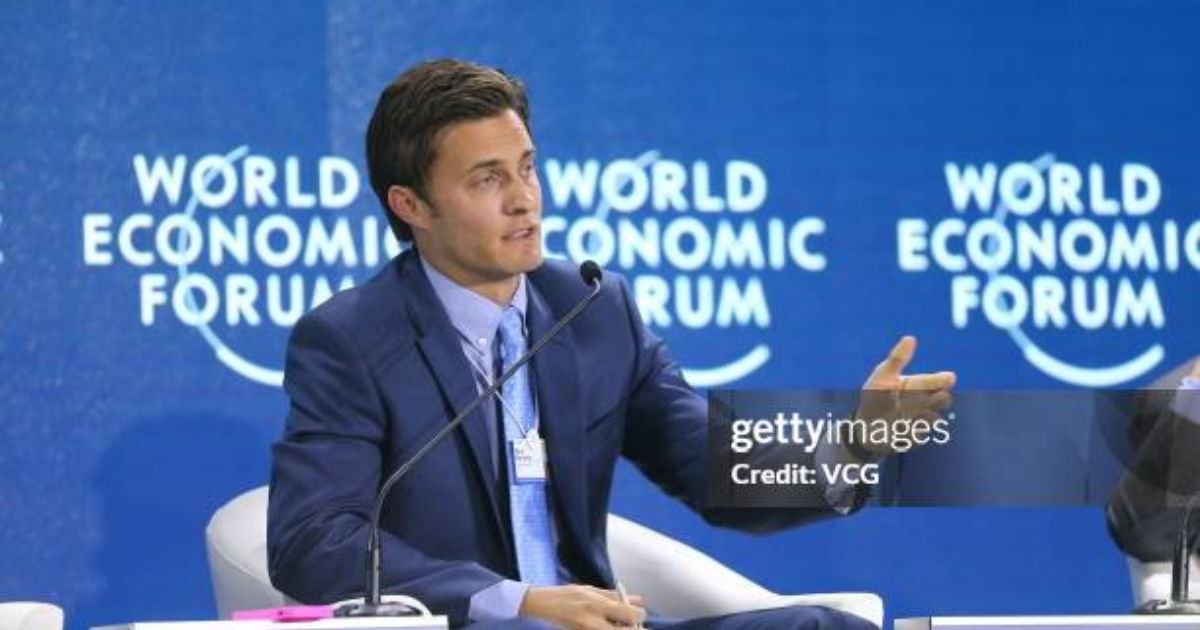
Climate change and plastic pollution are two of the biggest problems in the modern world, but some leaders are trying to fight both at the same time. One of those leaders is Mark Herrema, a businessman and innovator known for helping create Newlight Technologies. His company developed AirCarbon, a material made by using greenhouse gases in a new way. That idea has helped him gain attention as a climate-focused entrepreneur and business leader. His journey is not just about creating a company.
It is about turning a difficult environmental problem into a practical solution. For students, business readers, and anyone interested in innovation, his story shows how one idea can grow into a mission that reaches industries around the world.
Quick Bio
| Field | Details |
|---|---|
| Full Name | Mark Herrema |
| Known For | Climate innovation and sustainable materials |
| Profession | Entrepreneur and business leader |
| Position | Co-founder and CEO |
| Company Name | Newlight Technologies |
| Founded In | 2003 |
| Main Innovation | AirCarbon |
| AirCarbon Purpose | A material made from greenhouse gases |
| Industry | Sustainable materials |
| Education | Princeton University |
| Focus Area | Reducing plastic waste and carbon emissions |
| Notable Recognition | Featured in major climate and business publications |
Who Is Mark Herrema?
Climate change and plastic waste are two of the biggest problems in the world today. Many people talk about these issues, but only a few try to solve both at the same time. That is one reason Mark Herrema has become a name people search for. He is known as the co-founder and CEO of Newlight Technologies, a company that works on making useful materials from greenhouse gases. His company’s best-known material, AirCarbon, has been described as a biodegradable polymer that can act as an alternative to plastic in different industries.
This idea is powerful because it does not just try to reduce waste. It tries to turn waste into something valuable. That makes his story interesting for students, business readers, and anyone who wants to understand how science and creativity can work together to build a cleaner future.
Early Life and Educational Background
The story of Mark Herrema is interesting because his path was not limited to one subject. The World Economic Forum profile says he studied politics and political theory at Princeton University, while also doing additional work in physics, mathematics, and chemistry. That mix matters a lot. It shows he was learning how systems work, how science works, and how ideas move from theory into real life. Many successful innovators do not stay in one small box. They connect different kinds of knowledge and use them together.
In his case, that broad background likely helped him think about climate, business, and technology at the same time. For young readers, this is a useful lesson. You do not always need to choose between science and society. Sometimes the strongest ideas come from linking them both together in one larger vision.
The Big Idea That Started the Journey
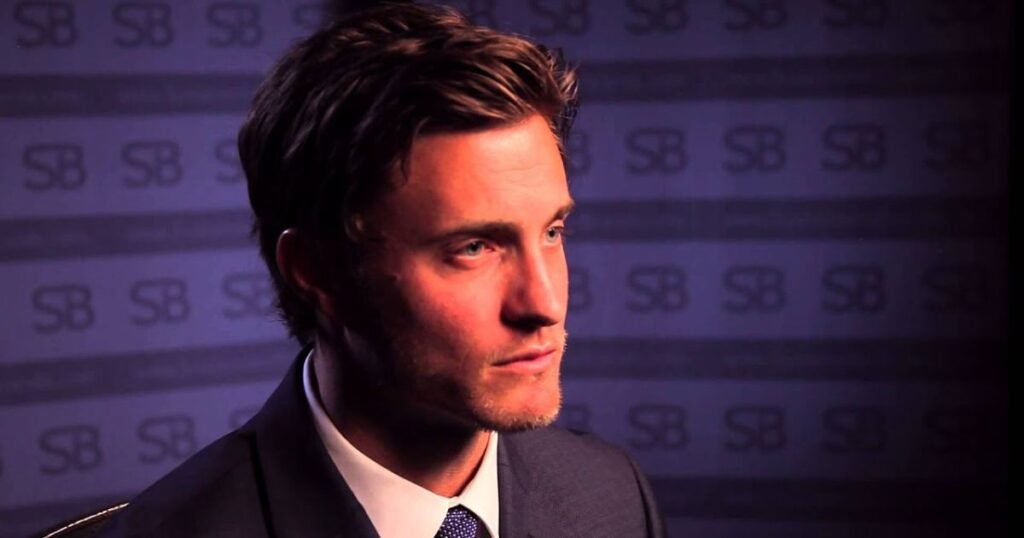
The mission behind Mark Herrema became clear when he began thinking about greenhouse gases in a different way. Instead of only seeing emissions as pollution, he explored whether they could also become a resource. That is a very important shift in thinking. Many people look at a problem and ask how to remove it. Innovators sometimes look at the same problem and ask how to transform it. According to XPRIZE and other profiles, he co-founded Newlight Technologies in 2003 with the goal of using greenhouse gas to make high-performance sustainable materials.
That idea sounds simple when written in one line, but in the real world, it was a huge challenge. It meant developing a process, building technology, finding support, and proving that such a bold concept could actually work. Great companies often begin with one question that seems impossible at first.
Building Newlight Technologies
In 2003, Mark Herrema co-founded Newlight Technologies and began a long research journey. The company did not become well-known overnight. XPRIZE says that after about a decade of research, the team developed a technology that uses a natural process to convert greenhouse gas into AirCarbon. That long wait is one of the most important parts of the story. It reminds readers that deep innovation usually takes time. New ideas must be tested, improved, and tested again.
There are often years of failure before public success appears. This is especially true in climate technology, where the science has to work, and the business has to work too. Newlight needed more than a clever pitch. It needed a real material, real manufacturing, and real market demand. That long effort helps explain why his name is tied not only to invention, but also to patience and persistence.
What Is AirCarbon?
To understand why Mark Herrema gets so much attention, it helps to look at AirCarbon in simple language. TIME says Newlight uses natural microorganisms found in the ocean to convert greenhouse gases into a biodegradable polymer called AirCarbon. XPRIZE describes it as a meltable energy storage material made in almost all known living things, and says it can be used to replace plastic, fibre, and leather. These descriptions matter because they show that the material is not just a lab experiment.
It is meant to be shaped into real products people use every day. The bigger idea is even more exciting. Nature already has systems for storing carbon. Newlight tried to learn from those systems and apply them to manufacturing. That gives the project a strong scientific base and also makes it easier for the public to understand: use nature as a teacher, not only as a resource.
Why This Work Matters in Today’s World
The work of Mark Herrema matters because it stands at the meeting point of two global concerns: greenhouse gas emissions and plastic pollution. Traditional plastic has helped many industries, but it has also created massive waste problems. At the same time, greenhouse gases continue to shape climate discussions around the world. A technology that tries to address both issues at once naturally draws attention. TIME highlighted AirCarbon as a plastic alternative across industries from fashion to food.
Fortune reported that products made with the material had already reached millions of items and appeared in products such as straws, cutlery, sunglasses, and wallets. That kind of progress shows why people see this as more than a small science project. The vision is simple but powerful: instead of making more material from fossil sources alone, create useful products from carbon-based emissions and reduce dependence on conventional plastic systems.
From Research Idea to Real Products
One reason Mark Herrema is discussed in business and climate circles is that Newlight moved beyond theory. Many sustainability ideas sound promising in articles and presentations, but only a small number become products that companies and customers can actually use. Fortune reported that AirCarbon had been used in more than 50 million products and that Newlight had supply and expansion plans tied to larger-scale production.
The company’s media pages also show public coverage from well-known outlets, which suggests growing interest in the technology and its commercial future. Real-world adoption matters because climate solutions must fit into the marketplace if they want to create broad change. A strong idea alone is not enough. It must be manufacturable, useful, and attractive to partners. That is why the growth of product applications is such a major part of the story.
Recognition and Public Attention
Over time, Mark Herrema received attention from major organisations that focus on climate, innovation, and leadership. TIME included him in its TIME100 Climate list in 2023 and described his role in developing AirCarbon through Newlight Technologies. The World Economic Forum identifies him as a co-founder and chief executive officer of Newlight and notes his status as a Technology Pioneer. XPRIZE also features Newlight and its leadership in climate-focused competition history.
Public recognition does not prove a company has solved every challenge, but it does show that respected institutions see the work as meaningful. It also helps explain why his story appears in so many discussions about sustainable materials. People are interested not only because the technology sounds impressive, but because trusted groups have treated it as an important example of climate innovation in action.
The Challenges Behind the Success
The journey of Mark Herrema was not easy, and that makes the story more valuable. Building a company around a new material is difficult. Building one around climate technology is even harder. A founder has to win trust from scientists, partners, investors, customers, and the public. The product must perform well. The production system must scale. The cost must make sense. The message must be clear enough for non-experts to understand.
Even when the science is real, turning it into a large business can take many years. XPRIZE’s summary of a decade of research before the breakthrough gives a clear picture of that challenge. This part of the story is important for students and entrepreneurs. Success in the news can look fast, but real progress is often slow, uncertain, and full of obstacles that outsiders never see.
Leadership Style and Long-Term Thinking
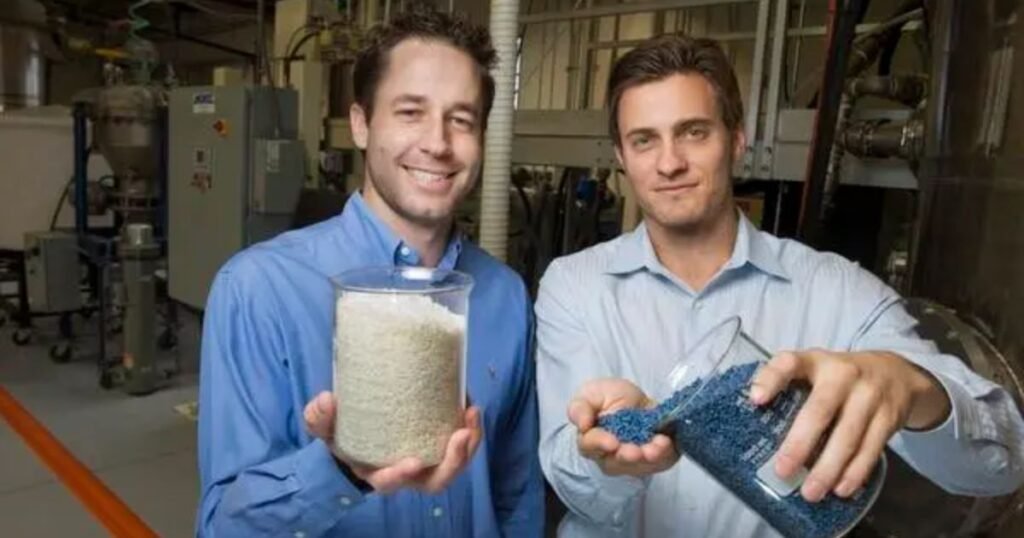
What makes Mark Herrema stand out is not only the technology itself, but also the kind of leadership his journey suggests. His work shows long-term thinking. He did not chase a quick win. He stayed focused on a mission that required years of patience. The World Economic Forum profile says he was instrumental in inventing carbon conversion systems and materials, while also leading partnerships and the engineering and expansion of Newlight’s platform.
That means his role has touched both invention and execution. Some leaders are strong idea people. Others are strong operators. His profile suggests a blend of both. That matters because climate solutions need more than inspiration. They need people who can move from the drawing board to the factory floor and keep improving each step along the way.
Lessons Students Can Learn
There are many lessons young readers can learn from Mark Herrema. First, meaningful work often starts with curiosity. He looked at greenhouse gases and imagined a different use for them. Second, difficult ideas need time. The research journey behind Newlight lasted years before broader recognition arrived. Third, learning across subjects can be a strength. His academic background connected politics, science, and mathematics instead of staying in only one area.
Fourth, a big change usually requires both courage and discipline. It is easy to talk about saving the planet. It is much harder to build systems, materials, and products that might truly help. For school students, this story is inspiring because it shows that innovation is not magic. It is built from questions, study, repeated effort, and belief in a goal that matters.
Business Lessons for Entrepreneurs
Business readers can also learn a lot from Mark Herrema. One major lesson is that strong companies often grow from a real-world problem, not just a market trend. Climate change and plastic waste are serious global issues, so a company trying to address them enters the market with a meaningful purpose. Another lesson is that deep technology needs staying power. Founders in this space must be ready for long development cycles. A third lesson is that modern brands and buyers increasingly care about sustainability, but they still expect performance and quality. That means a new material cannot survive on good intentions alone. It must work as well as, or better than, the older option. The Newlight story shows how mission, science, and business have to move together if a new idea wants to compete in the real world.
The Future Ahead
The future of Mark Herrema and Newlight Technologies will depend on scale. The world uses a huge amount of traditional plastic, so replacing even a small part of that market is a major challenge. Still, the reason many people continue watching this company is clear. If greenhouse gases can be turned into useful materials at larger commercial levels, the idea could influence packaging, fashion, consumer goods, and other industries.
Partnerships and public recognition already suggest strong interest, but the next phase will likely be measured by production growth, product adoption, and long-term performance. Climate innovation becomes truly powerful when it moves from headlines into normal daily life. If that happens, his work could help reshape how people think about carbon, waste, and modern manufacturing.
Final Thoughts
In the end, Mark Herrema represents a hopeful kind of innovation. His work shows that major environmental problems do not always need to be viewed only with fear. They can also inspire invention. By helping build a company around the idea of turning greenhouse gases into useful materials, he has become part of a wider movement that wants cleaner and smarter ways to make everyday products. His story is valuable because it connects science, business, patience, and purpose.
It reminds readers that real progress often comes from people who are willing to spend years building something others first thought was impossible. For students, it is a lesson in curiosity. For entrepreneurs, it is a lesson in persistence. For the wider world, it is a reminder that some of the best solutions begin with a bold new way of seeing an old problem.
FAQs About Mark Herrema
1. Who is Mark Herrema?
He is the co-founder and CEO of Newlight Technologies, a company focused on making sustainable materials from greenhouse gases.
2. What is Mark Herrema known for?
He is best known for leading work on AirCarbon, a biodegradable polymer designed as an alternative to traditional plastic in multiple industries.
3. What is AirCarbon?
AirCarbon is a material made through a process that converts greenhouse gases into a biodegradable polymer, using a system inspired by natural biological processes.
4. When was Newlight Technologies founded?
Newlight Technologies was co-founded in 2003.
5. Why is Mark Herrema important?
He is important because his work connects climate innovation, sustainable materials, and practical product development in a way that could reduce reliance on conventional plastics.