
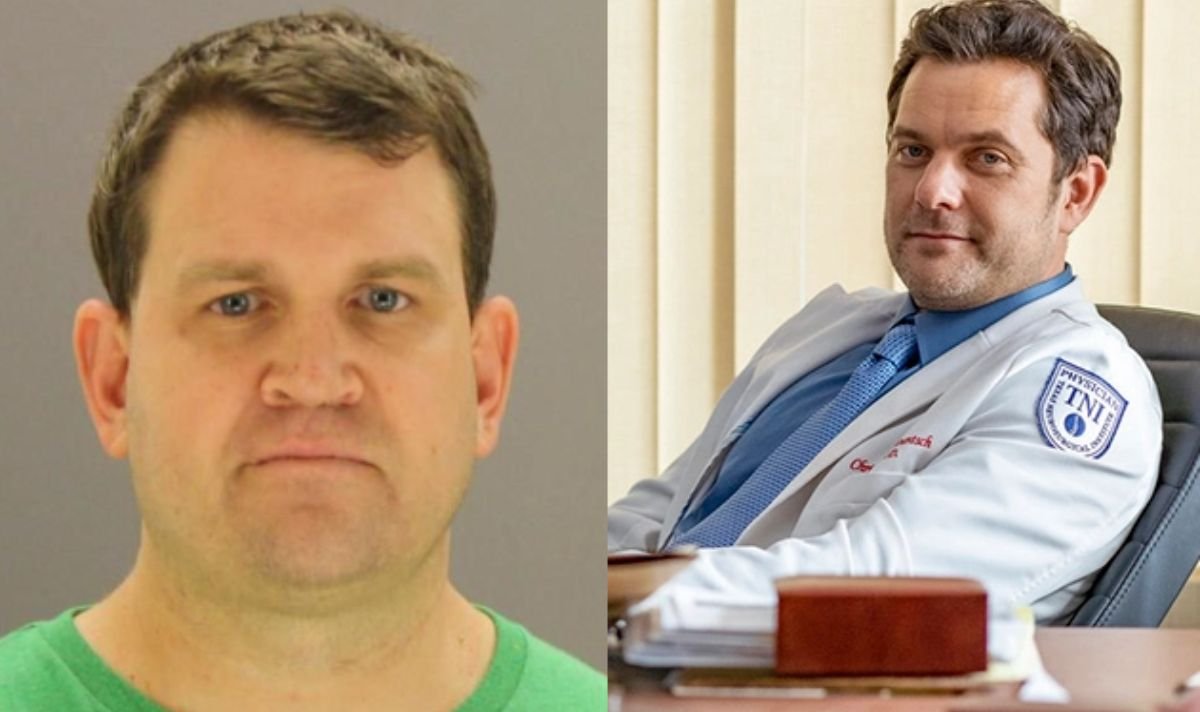
The name Christopher Duntch has become synonymous with one of the most disturbing medical scandals in modern American history. Once a promising neurosurgeon with an impressive academic background, Christopher Duntch ultimately became known not for innovation or skill, but for catastrophic surgical outcomes that left patients permanently injured or dead. His case exposed alarming gaps in hospital oversight, credentialing systems, and medical accountability in the United States.
Over the past decade, the story of Christopher Duntch has been examined through investigative journalism, criminal trials, documentaries, and dramatized television series. Yet beyond the headlines lies a complex narrative involving systemic failures, institutional silence, and the devastating consequences of unchecked authority in high-stakes medical environments. This comprehensive analysis explores his background, rise, crimes, conviction, and the broader impact his actions had on healthcare reform.
Quick Bio
| Field | Details |
|---|---|
| Full Name | Christopher Daniel Duntch |
| Known As | Dr. Death |
| Date of Birth | April 3, 1971 |
| Birthplace | Montana, United States |
| Nationality | American |
| Profession | Former Neurosurgeon |
| Education | University of Memphis; University of Tennessee Health Science Center (MD/PhD) |
| Specialty | Spinal Surgery / Neurosurgery |
| Active Years | 2011–2013 (Texas practice) |
| Criminal Charges | Injury to an Elderly Person |
| Sentence | Life Imprisonment (2017) |
| Notable For | Convicted surgeon behind the “Dr. Death” case |
Early Life and Education of Christopher Duntch
Born in 1971 in Montana, Christopher Duntch grew up in Tennessee and appeared academically gifted from an early age. He attended the University of Memphis, where he earned a bachelor’s degree before enrolling in a combined M.D./Ph.D. program at the University of Tennessee Health Science Center.
Duntch’s doctoral research focused on stem cells and cancer therapy, and during this period, he was regarded as ambitious and intelligent. Colleagues described him as charismatic, confident, and driven. After completing his medical degree, he entered a competitive neurosurgery residency program, eventually training at prestigious institutions including the University of Tennessee and Baylor College of Medicine.
On paper, Christopher Duntch appeared to be on a trajectory toward a distinguished medical career. However, warning signs reportedly emerged during his residency, including concerns about surgical technique and professionalism.

Residency Training and Early Warning Signs
During his neurosurgical residency, Christopher completed hundreds of procedures. However, court documents and later testimony revealed that some supervising physicians questioned his competence. Concerns reportedly included technical errors, poor judgment, and inconsistent patient outcomes.
Despite these red flags, Duntch successfully completed his training in 2011. Critics later argued that institutional reluctance to confront performance issues played a significant role in allowing him to advance. Medical residency programs often struggle with how to handle underperforming trainees, and in Duntch’s case, the system may have prioritized graduation over patient safety.
This period marked the beginning of a pattern that would later define the Christopher Duntch case: troubling concerns that were noted, discussed, but ultimately not acted upon decisively.
Christopher Duntch’s Move to Texas
After completing his training, Christopher Duntch relocated to Texas, where he began practicing as a neurosurgeon in the Dallas–Fort Worth area. He secured privileges at several hospitals, including Baylor Regional Medical Center at Plano and later Dallas Medical Center.
Initially, Duntch marketed himself as a highly skilled spine surgeon specializing in minimally invasive techniques. However, within months of beginning practice, patients began experiencing severe complications following routine spinal procedures.
In one widely reported case, a patient awoke from surgery with catastrophic neurological damage. In another, surgical hardware was improperly placed, leading to permanent impairment. The frequency and severity of complications began to alarm colleagues and hospital administrators.
Pattern of Surgical Catastrophe
Between 2011 and 2013, Christopher Duntch performed approximately 38 spinal surgeries in Texas. According to prosecutors, 33 of those patients were harmed, and two died as a result of surgical complications directly linked to his procedures.
Colleagues described shocking operative mistakes, including:
Failure to control bleeding
Improper placement of screws and hardware
Operating at incorrect spinal levels
Damaging critical blood vessels and nerves
Other surgeons were reportedly horrified when reviewing postoperative imaging. In some cases, corrective surgeries were required immediately after Duntch left the operating room.
What distinguished the Christopher Duntch case was not just incompetence but the extraordinary severity of errors across multiple institutions.
Hospital Oversight and Systemic Failures
One of the most troubling aspects of the Christopher Duntch saga involves institutional oversight. Despite repeated patient injuries, hospitals often chose to quietly revoke privileges rather than formally report concerns to medical boards or law enforcement.
Hospitals feared litigation and reputational damage. In some instances, they allowed Duntch to resign voluntarily, enabling him to obtain privileges at another facility without a clear disciplinary record.
This pattern exposed weaknesses in credentialing processes and peer-review confidentiality protections, which can shield problematic physicians from scrutiny.
The Christopher case ultimately became a catalyst for discussions about mandatory reporting requirements and transparency in physician performance.
Investigation and Criminal Charges
By 2015, the pattern of harm became impossible to ignore. The Texas Medical Board revoked Christopher Duntch’s medical license, citing egregious patient endangerment.
In an unprecedented move, prosecutors charged him criminally with injury to an elderly person, a felony typically reserved for intentional harm. This marked one of the first times in U.S. history that a surgeon was prosecuted criminally for poor surgical performance rather than civil malpractice.
Prosecutors argued that Christopher Duntch’s actions went beyond negligence and demonstrated reckless disregard for human life.
The 2017 Trial of Christopher Duntch
The trial of Christopher began in 2017 and drew national attention. Testimony from patients, fellow surgeons, and hospital staff painted a disturbing portrait of repeated surgical failure and arrogance.
Prosecutors presented evidence that Duntch continued operating despite mounting complications and warnings from peers. Emails introduced at trial showed him expressing grandiosity and detachment from the harm caused.
The defense argued that he was an inexperienced surgeon facing complex cases, not a criminal. However, the jury ultimately found Christopher guilty.
He was sentenced to life in prison, making him one of the first U.S. surgeons to receive such a sentence for medical-related offenses.
The “Dr. Death” Media Phenomenon
The case of Christopher gained renewed public interest through investigative journalism and media adaptations. A popular podcast series titled Dr. Death explored the case in depth, followed by a television adaptation produced by Peacock.
Actor Joshua Jackson portrayed Christopher in the dramatized series, introducing the story to a broader audience. While dramatizations took creative liberties, they highlighted systemic failures in healthcare oversight.
The media attention amplified conversations about medical transparency, hospital accountability, and patient advocacy.
Legal and Ethical Implications
The prosecution of Christopher set a legal precedent. Traditionally, medical errors are handled through civil malpractice suits. Criminal prosecution requires proof of intent or reckless disregard.
Legal scholars debated whether the case blurred the line between malpractice and criminal conduct. Supporters argued that the extreme pattern of harm justified criminal charges. Critics warned that criminalizing medical errors could discourage physicians from taking complex cases.
Regardless of perspective, the Christopher conviction reshaped conversations around medical ethics and accountability.
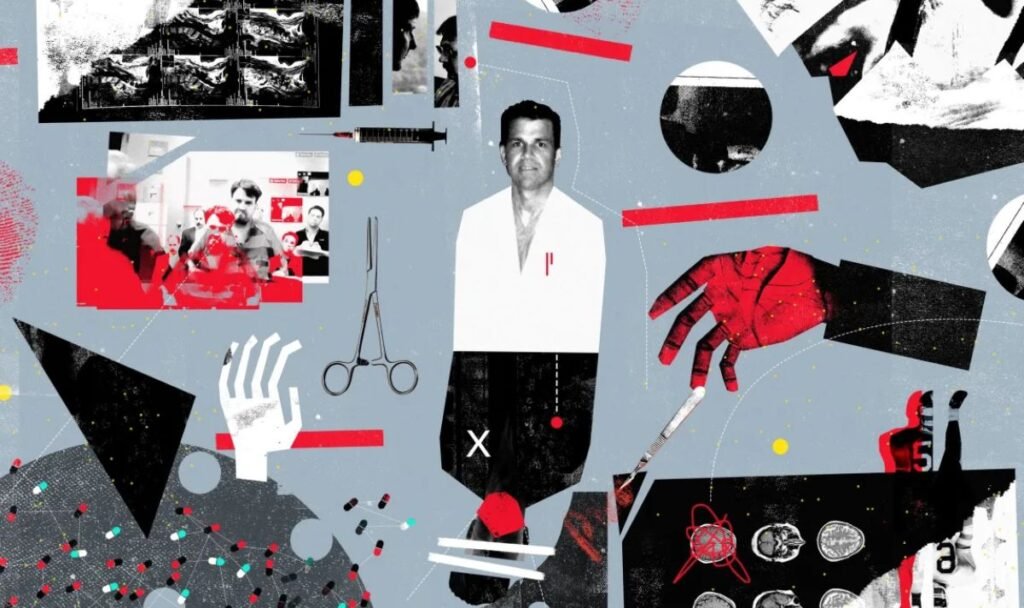
Impact on Healthcare Policy
Following the case, Texas lawmakers examined potential reforms to peer-review processes and reporting systems. Hospitals reassessed how they handle physician performance concerns.
While systemic change has been gradual, the Christopher case exposed vulnerabilities in how medical institutions manage risk.
Patient safety advocates argue that greater transparency in physician histories could prevent similar tragedies. Meanwhile, hospitals have increasingly implemented stricter credentialing protocols and data tracking systems.
Psychological Profile and Professional Behavior
Experts who analyzed the Christopher case noted patterns of grandiosity, denial, and lack of accountability. During trial testimony, colleagues described him as dismissive of criticism and resistant to oversight.
Psychological evaluations presented in court did not find him legally insane. However, the evidence suggested profound professional dysfunction and impaired judgment.
Understanding the psychological dimensions of the Christopher story adds depth to discussions about how personality traits interact with high-risk professions like surgery.
Civil Lawsuits and Patient Compensation
Beyond the criminal case, multiple civil malpractice lawsuits were filed against Christopher and the hospitals where he practiced. Many victims faced lifelong disabilities, chronic pain, and emotional trauma.
Settlements were reached in several cases, though financial compensation could not reverse physical damage. The lawsuits also targeted hospital systems for alleged failure to intervene earlier.
These civil proceedings reinforced the argument that systemic oversight failures contributed significantly to the harm.
Public Trust in Medicine
One of the broader consequences of the Christopher case was erosion of public trust. Patients depend on physicians for life-saving procedures, and the idea of a surgeon repeatedly harming patients is deeply unsettling.
Healthcare institutions have since emphasized quality assurance, peer review, and patient safety culture. Transparency initiatives aim to rebuild confidence and reassure patients that safeguards exist.
The story remains a cautionary tale about the importance of vigilance in healthcare systems.
Read More: Jeffers Equine: The Complete Guide to Quality Horse Supplies, Tack, and Veterinary Essentials
Lessons from the Christopher Duntch Case
The legacy of Christopher extends beyond the courtroom. It highlights the need for:
Stronger reporting systems
Transparent credentialing processes
Courageous whistleblowing by medical professionals
Regulatory oversight that prioritizes patient safety
The case serves as a reminder that systems designed to protect institutions must not overshadow patient welfare.
Conclusion: The Enduring Impact of Christopher Duntch
The story of Christopher is both tragic and transformative. What began as the career of a promising neurosurgeon ended in a life sentence and a national reckoning. His actions devastated patients and families, exposed systemic weaknesses in hospital oversight, and forced legal systems to reconsider the boundaries between malpractice and criminal conduct.
Today, the Christopher case stands as a landmark in medical accountability. It underscores the critical importance of transparency, vigilance, and ethical responsibility in healthcare. While the harm inflicted cannot be undone, the lessons learned may help prevent future tragedies.
Frequently Asked Questions About Christopher Duntch
Who is Christopher?
Christopher is a former neurosurgeon convicted in 2017 for causing severe harm to patients during spinal surgeries in Texas.
Why was Christopher called Dr. Death?
The nickname emerged due to the unusually high number of patients harmed or killed during his surgical procedures.
How many patients were affected by Christopher?
Prosecutors stated that 33 of 38 patients were harmed, with two deaths linked to his surgeries.
Is Christopher in prison?
Yes, he is serving a life sentence in Texas.
What reforms resulted from the Christopher case?
The case prompted discussions about hospital oversight, physician credentialing, and mandatory reporting reforms.
Was Christopher mentally ill?
Court evaluations did not find him legally insane, though concerns about professional competence and personality traits were raised.