
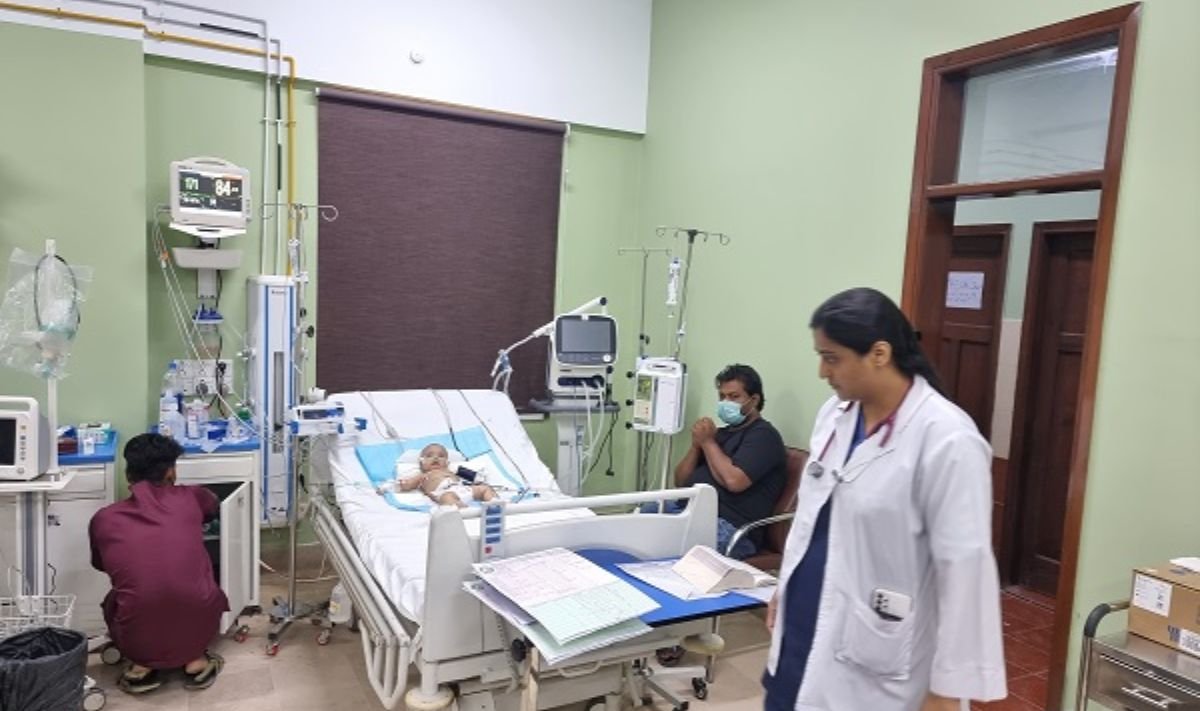
Choosing a child health care center is one of the most important decisions a family can make because it affects daily comfort, safety, learning, and trust. Parents need more than a clean building or friendly welcome; they need a setting where children are understood, routines are respected, and communication stays open. A good choice should match your child’s age, health needs, personality, and family schedule. It should also give parents confidence during drop-off, pickup, and every moment in between. Looking closely at care standards, staff behavior, safety steps, and family involvement can help you choose with greater peace of mind each day.
Key Choices Ahead
- Safety, Licensing, and Daily Supervision
The first thing to examine is whether the center follows clear licensing rules, health procedures, and supervision standards. Parents should feel comfortable asking staff members how they handle check-ins, medication, food allergies, illness, emergency contacts, cleaning routines, and outdoor play. A safe center should have secure entry points, clean rooms, age-appropriate equipment, and a plan for fire drills or medical concerns. It should also have enough trained adults present to ensure children are closely supervised during meals, play, rest, bathroom breaks, and transitions. Families comparing local care options may also look at programs such as Autism Learning Partners Burlington when they need care that respects developmental differences and family goals. The strongest sign is not a perfectly decorated room, but a steady routine in which every child is seen, guided, and protected throughout the day. When staff can explain safety steps clearly, parents gain a more honest picture of how the center operates.
- Staff Interaction and Child Comfort
The way staff members speak to children reveals a great deal about the center’s values. During a visit, notice whether adults kneel to a child’s level, speak in a calm voice, give clear instructions, and respond patiently when a child feels upset. Children should not be rushed through every activity or ignored during quiet moments. A center that values emotional security will help children build trust before expecting full independence. Parents should also ask about staff turnover because frequent changes can make it harder for children to form stable bonds. A warm environment does not mean there are no rules; it means rules are taught with care and consistency. Watch how caregivers handle sharing, cleanup, snack time, and tired children near the end of the day. When children feel safe with caregivers, they are more likely to join activities, try new skills, and express needs without fear, even when the day includes new faces, sounds, or unfamiliar routines.
- Programs, Communication, and Family Fit
A child health care center should support growth in ways that fit each child’s stage, not simply keep children busy until pickup time. Ask how the daily schedule balances meals, rest, movement, reading, creative play, social time, and quiet activities. Younger children may need predictable routines, while older children may need more chances to ask questions, solve problems, and practice independence. Communication also matters. Parents should know how the center shares updates about meals, naps, behavior, mood, health issues, and learning progress. The right setting should welcome family input without making parents feel like an interruption. It should also respect cultural routines, language needs, and household preferences when possible. Notice whether the center asks about your child’s habits before the first day, including sleep patterns, comfort items, fears, and favorite activities. When the program’s rhythm feels practical for your child and your family, daily care becomes less stressful, and the center feels like a true partner in your child’s development.
- Understanding the Center’s Approach to Health and Nutrition
A crucial aspect of choosing a child health care center is understanding how it approaches your child’s health, nutrition, and wellness. A center should provide nutritious meals and snacks that align with your child’s dietary needs, allergies, and preferences. Parents should ask about meal planning, snack time, and how the center handles specific dietary restrictions, whether due to allergies, health conditions, or personal preferences. Regular handwashing, hygiene routines, and the management of illnesses within the facility are also key factors. A strong health protocol ensures that children remain healthy and comfortable while attending. Additionally, check whether the center has protocols for regular health screenings, such as vision and hearing checks, and whether it promotes active play, exercise, and outdoor time as part of the daily schedule. A center that focuses on overall well-being demonstrates a deep commitment to supporting your child’s health across all areas.
A Confident Family Decision
The right child health care center should make your family feel informed, respected, and secure. A careful visit can reveal whether the center’s daily practices align with its promises. Look at safety systems, staff patience, child comfort, communication style, and the way routines are handled when the room gets busy. Ask direct questions and pay attention to how clearly they are answered. A center need not be flashy to be dependable. It should feel organized, caring, and steady. When children are protected, listened to, and guided with kindness, parents can leave each day with more confidence and peace, too.