
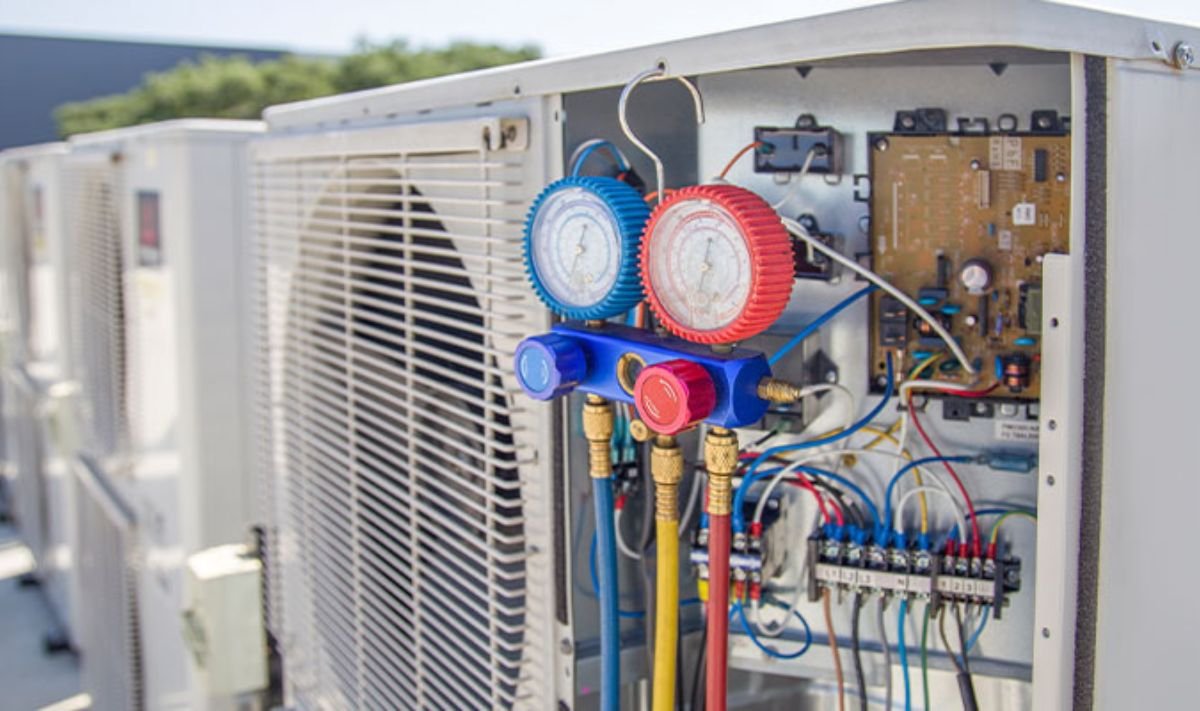
Many HVAC problems do not begin with a broken motor or a failed part. They begin with a buildup. Dust, grime, debris, and residue collect slowly inside a heating and cooling system until airflow drops, strain rises, and normal operation becomes harder to maintain. What looks like a minor cleanliness issue can push multiple components to work under pressure day after day. That pressure often leads to extra wear, reduced comfort, higher energy use, and more service visits. Dirty components do not just make an HVAC system look neglected. They interfere with how it breathes, cools, drains, and circulates air across the entire property over time.
Where buildup causes trouble
- Restricted Airflow Forces the System to Work Harder
One of the main reasons dirty components lead to more frequent HVAC service is that buildup restricts airflow at the very points where the system relies on steady airflow. When filters clog, blower parts collect dust, and evaporator coils become coated with residue, the unit has to push harder to move the same amount of air. That added strain does not stay isolated to one area. It affects runtime, temperature control, pressure balance, and the system’s ability to heat or cool rooms evenly. A system that cannot breathe properly often runs longer cycles, meaning parts stay active for longer during each demand period. Over weeks and months, that extra workload can bring more service calls for overheating, weak airflow, unusual noise, frozen coils, or thermostat complaints that are actually symptoms of dirt-related restriction. The issue is not always dramatic at first. Sometimes it begins with a room taking longer to cool or a unit sounding slightly louder than usual. Yet those subtle changes often point to a system that is already losing operational efficiency because internal surfaces are no longer clean enough to support normal airflow.
- Dirty Coils and Drain Parts Create Repeat Problems
Dirty components also necessitate frequent HVAC service because they interfere with heat transfer and moisture removal, two processes that must occur together for the system to perform properly. When evaporator or condenser coils collect dirt, the system loses its ability to exchange heat efficiently. That means the unit has to run longer to reach the thermostat setting, and longer run times increase stress on motors, capacitors, and compressors. At the same time, dirt and sludge around drain lines and drain pans can interrupt condensate flow, leading to water leaks, overflow shutdowns, humidity problems, and mold-related odors. In homes where maintenance is delayed, technicians often find that what appears to be a cooling issue is really a combination of dirty coil surfaces and poor drainage. Service providers who handle HVAC installation in Simpsonville by Tuck and Howell often see that neglected cleanliness after installation can shorten the interval between routine visits, as buildup begins to affect performance well before major part failure occurs. Once heat transfer and drainage both start to slip, the system tends to exhibit recurring symptoms that keep bringing the homeowner back to service.
- Buildup Spreads Stress Across Multiple Components
Another reason dirty HVAC components lead to more service is that dirt rarely stays in one place or harms only one part. A neglected filter can allow fine particles to move deeper into the system. Dust on blower blades can reduce the fan’s efficiency and upset airflow balance. Dirty coils can raise operating pressure and keep the compressor under a heavier load. Blocked vents or debris around outdoor equipment can trap heat and reduce the system’s ability to release it. Each issue may begin as a maintenance problem, but together they create a chain reaction that wears down the system faster than normal use alone would. Homeowners often think the unit has become unreliable when the real problem is that dirt has made ordinary operation harder across several connected parts. That is why repeat service calls often seem unrelated on the surface. One visit may focus on weak cooling, another on water leakage, another on short cycling, and another on noise. In many cases, they all trace back to poor cleanliness, which has changed how the system handles airflow, heat, and moisture. Dirty components create recurring trouble because they interfere with the system as a whole, not just with a single part.
Read More: The Importance of Fixing Airflow Issues in AC Systems
Clean Components Reduce Service Frequency
Dirty components necessitate more frequent HVAC service because they put the entire system under avoidable stress. Restricted airflow, poor heat transfer, drainage issues, and increased equipment strain all stem from buildup that gradually alters how the unit operates. What begins as dust on a filter or residue on a coil can turn into comfort complaints, efficiency loss, moisture problems, and repeated repair visits if it is ignored for too long. Clean components help the system move air, manage temperature, and remove humidity as intended. That is why routine cleaning and timely maintenance often reduce service calls over the long run.